CASE FILE #1
The Investigation Begins

I did not arrive in Mobile by accident. The trip had been researched, mapped, and carefully planned long before we left home. I knew the names, the events, and the places I needed to investigate. What I did not yet understand was how completely they were connected.
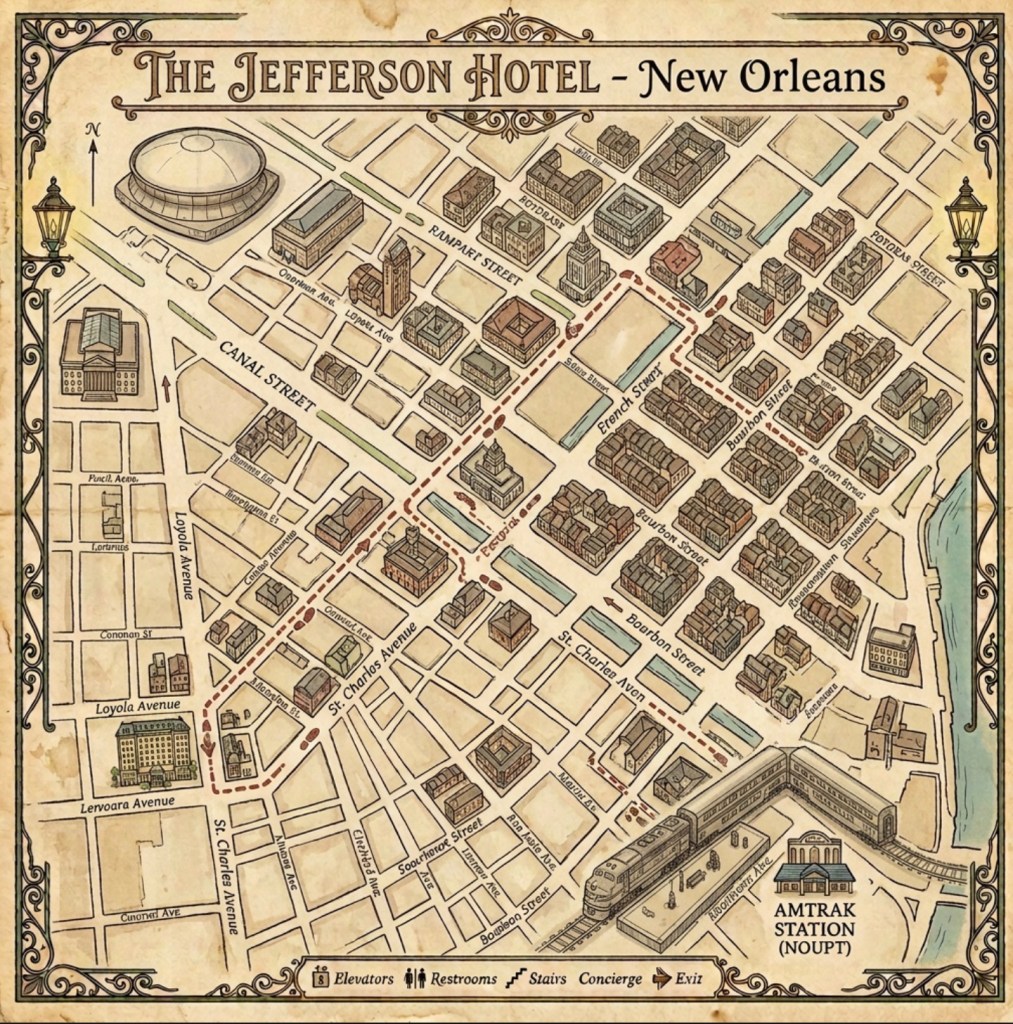
The story began in New Orleans. The Jefferson Hotel, where Henry Gray Vick accepted the challenge that eventually brought him to Mobile, no longer exists. We stayed in an old hotel on the same block, near the train station, placing ourselves as close to that part of his journey as we could.
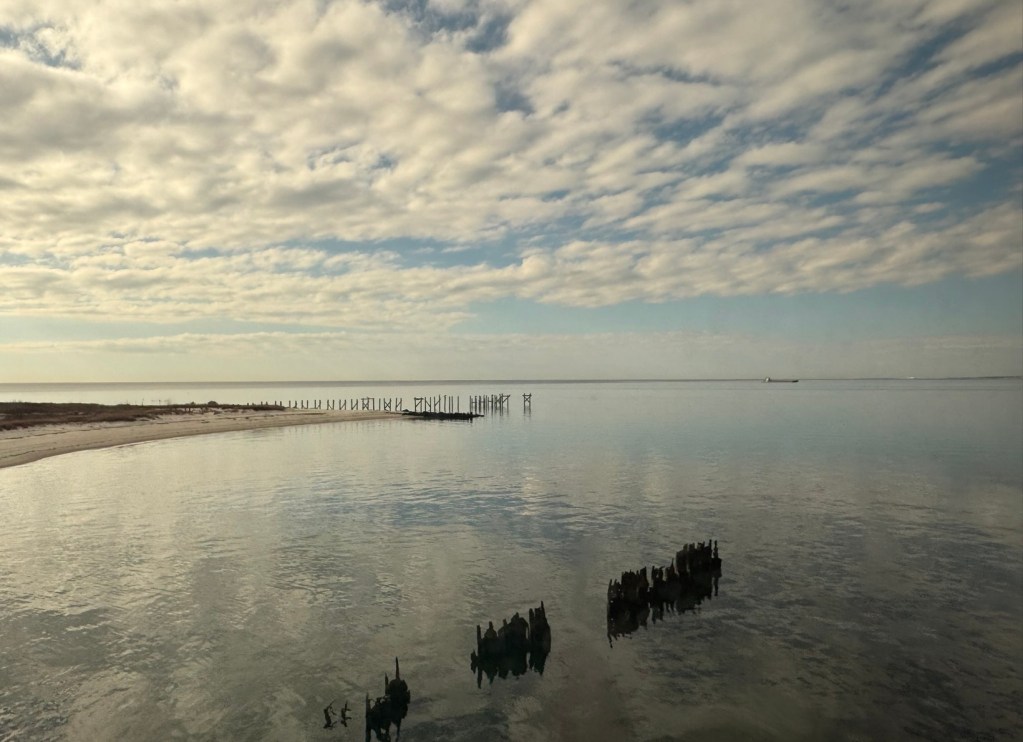
From New Orleans, we traveled by Amtrak along the water, near the route a packet boat would have taken toward Mobile. We arrived shortly before noon, checked into the Battle House Hotel, and ate lunch before beginning our walk at about one o’clock.
We walked the route the carriage had taken to Holly’s Garden. Along the way, we stopped beneath umbrellas placed every few blocks, resting in the warmth and talking about what we had already seen. We ate in the hotel restaurant, spoke with people who lived there, and talked with historians who understood the city.
It was total immersion.
By the end of the day, we had walked approximately seven miles, but that number included the morning walk from our hotel near the former Jefferson Hotel to the New Orleans train station and everything that followed. The historical landscape in Mobile was remarkably compact. An extraordinary depth of history existed within one very small place.
My favorite moment came in Holly’s Garden.
I sat on the curb beneath the ancient live oaks and looked up. These trees were not merely part of the scenery.
They were the witnesses.
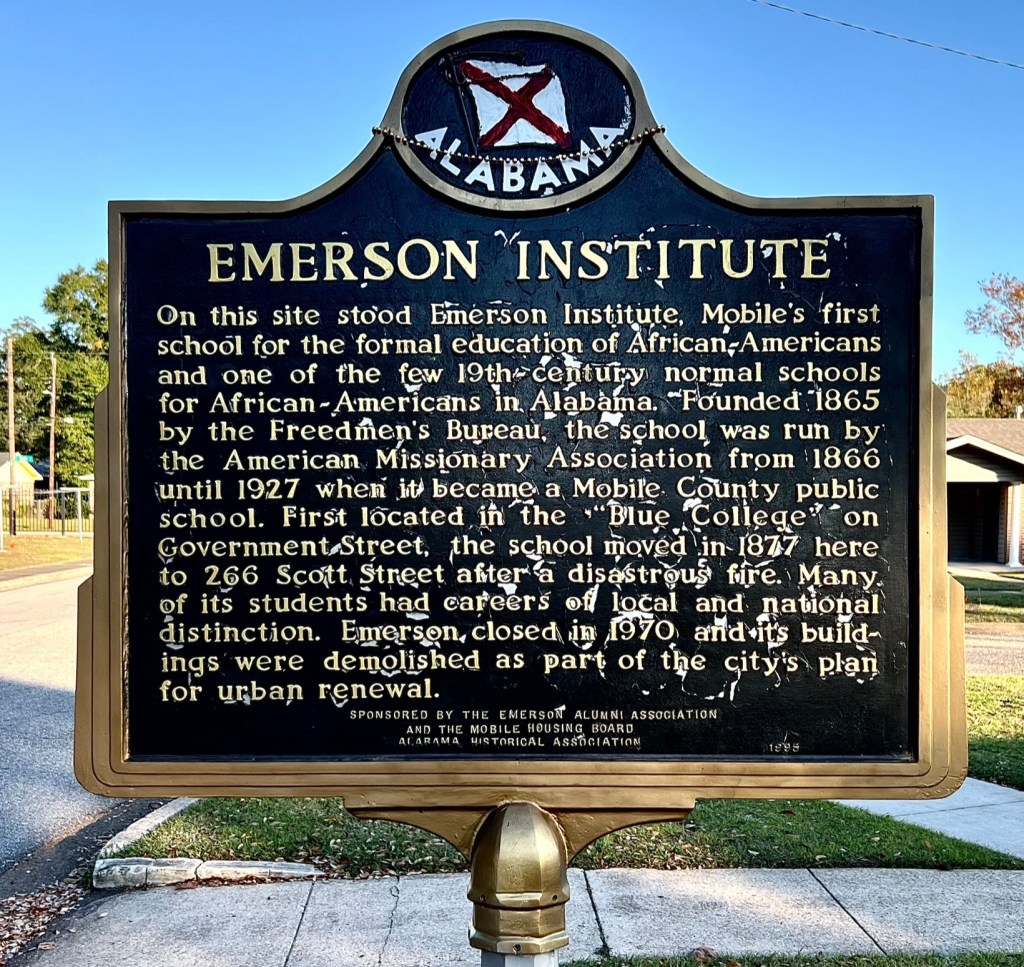
According to an account of Holly’s Garden, children attending Emerson Institute later tried to dig the bullet from the duel out of one of the trees. Those children studied at a normal school that educated a generation of Black teachers and leaders on the same ground where the duel had taken place.
The Jefferson Hotel is gone. Holly’s house and garden are gone. The people are gone.
But the witnesses remain.
Only after walking the landscape, sitting beneath its trees, and listening to the people who knew the city did I enter the archives.
The land had given me the questions.
Now it was time to see what the documents would reveal.
We are glad you’ve come.
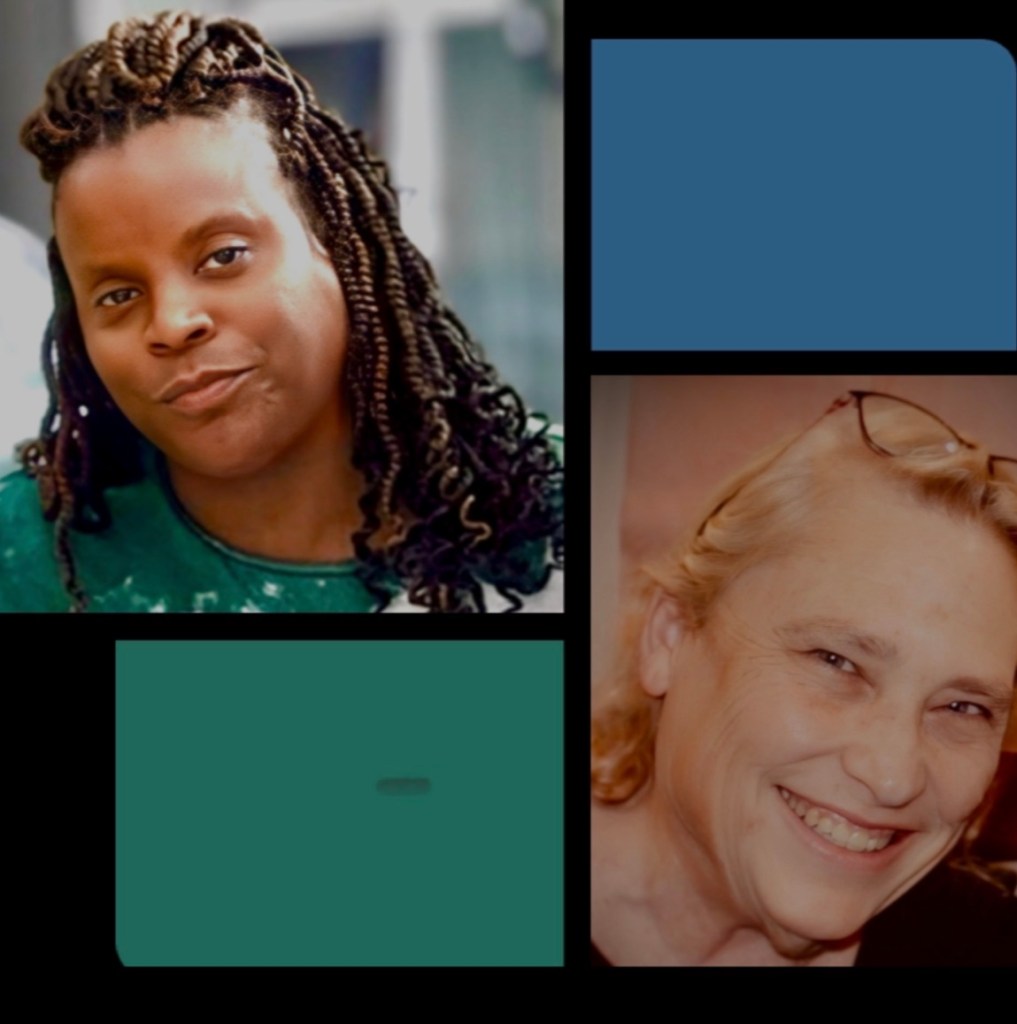
Genealogy is often presented as a collection of names, dates, and family trees. At Deep Descent Genealogy Collective, we believe it is something far more meaningful. Every family leaves behind evidence. The people may be gone, but the land they walked, the documents they created, the communities they built, and the stories they left behind continue to speak. Our job is to listen.
Each Case File begins with a single question and follows every available clue. We examine land records, court documents, maps, newspapers, photographs, cemetery records, DNA evidence, oral histories, and historical context, allowing the evidence—not assumptions—to guide the investigation. Every discovery becomes another piece of a larger story waiting to be reconstructed.
Our work is rooted in the belief that history is an impartial witness. We do not begin with conclusions; we begin with curiosity. Sometimes the answer is hidden in an overlooked deed. Sometimes it is preserved in a forgotten newspaper article or an old photograph. Sometimes the landscape itself becomes the archive, revealing connections that written records alone could never explain.
These investigations are more than genealogy. They are acts of historical reconstruction, restoring the lives, relationships, and communities that time has scattered. Every person deserves to be remembered with dignity, and every family deserves the opportunity to understand where they came from through carefully documented, evidence-based research.
As you explore our Case Files, we invite you to follow the investigation as it unfolds. Walk beside us from the first clue to the final discovery, and see how history reveals itself when every piece of evidence is given a voice. Our goal is not simply to tell stories—it is to uncover them, document them, and preserve them for generations to come.